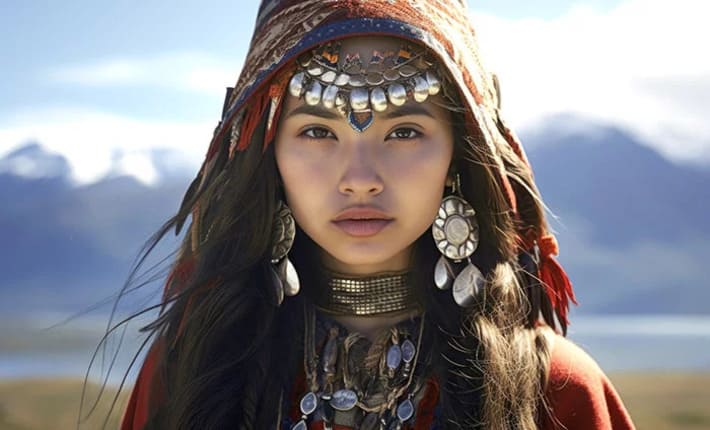
Psilocybin-containing mushrooms traditionally used in spiritual ceremonies.
For thousands of years, Indigenous cultures across Central and South America have used magic mushrooms in sacred rituals. These ceremonies served as gateways to emotional healing, spiritual awakening, and a deeper understanding of the self. Today, what was once considered purely mystical has become a subject of serious scientific interest. Researchers and mental health professionals are beginning to explore how psilocybin—the psychoactive compound in magic mushrooms—may influence psychological well-being.
As the world becomes more open to holistic and integrative healing, more people are curious about what happens during a magic mushroom ceremony. Guided retreats and ceremonial spaces offer individuals an opportunity to explore their inner world in a structured and supportive environment. To understand how these experiences unfold, you can explore detailed guidance on what happens during a magic mushroom ceremony.
Ancient Roots of Mushroom Rituals
Magic mushroom ceremonies trace back thousands of years, particularly in Indigenous Mesoamerican traditions. Shamans, healers, and spiritual guides used psilocybin-containing mushrooms to:
- Connect with ancestral wisdom
- Release emotional tension
- Explore altered states of consciousness
- Receive visions to guide personal or communal decisions
In many cultures, these ceremonies were seen as sacred encounters with the spiritual world—moments when the boundary between the physical and emotional realms became permeable.
The Rise of Modern Scientific Interest
In recent years, psilocybin has attracted significant attention from neuroscientists, psychologists, and psychiatrists. Numerous studies are now investigating the potential benefits of psilocybin, offering new perspectives on how the substance may influence mood, cognition, and emotional processing.
Current research explores how psilocybin may support individuals dealing with:
- Anxiety disorders
- Depression
- Trauma and unresolved emotional patterns
- End-of-life distress
- Addictive behaviors
Although findings are still emerging, early results suggest that psilocybin may help promote emotional openness, reduce rigid thinking patterns, and encourage a sense of connection—key elements in trauma or stress-related conditions.
What Happens During a Magic Mushroom Ceremony?
A magic mushroom ceremony is typically conducted in a safe, intentional, and guided setting. Participants often gather in a serene environment designed to support emotional release and inner reflection. Skilled facilitators help prepare individuals for the psychedelic journey and provide grounding support throughout the experience.
During the ceremony, participants may experience:
- Visual imagery
- Heightened emotions
- Deep introspection
- A sense of unity or interconnectedness
- Insights about personal challenges or emotional patterns
These guided sessions may become a transformative experience, where individuals confront old wounds, release emotional blockages, or gain newfound clarity about their lives.
Why People Seek These Ceremonies Today
Modern life often leaves individuals feeling disconnected—from themselves, from others, or from their purpose. Magic mushroom ceremonies, when conducted responsibly, can offer:
1. Emotional Release
Many people describe the experience as a clearing of stored emotions, allowing them to confront memories or feelings they have avoided.
2. Spiritual Exploration
Participants often report a deep sense of connection—to nature, humanity, or something greater than themselves.
3. Insight and Self-Understanding
The introspective nature of psilocybin helps individuals explore the roots of personal challenges with clarity and compassion.
4. A Break from Mental Patterns
Psilocybin may temporarily loosen rigid thought patterns, creating space for new perspectives.
The Importance of Safe and Guided Experiences
While magic mushrooms are powerful, they must be approached with respect and caution. A safe environment, proper preparation, and experienced facilitators are essential. This is why many people choose to attend structured ceremonies or reputable retreats.
These guided settings ensure:
- Emotional support
- Safety protocols
- Integration assistance after the experience
- A supportive, non-judgmental environment
The integration phase—reflecting on the experience and applying its lessons—is just as important as the ceremony itself.
Conclusion
Magic mushroom ceremonies bridge ancient wisdom and modern science. What began as sacred Indigenous rituals is now inspiring global research into mental health and emotional healing. Whether someone seeks personal insight, emotional release, or spiritual renewal, these ceremonies can offer profound experiences under the right guidance.
As scientific exploration continues, we may discover even deeper connections between psilocybin and mental well-being—connections that have been understood by ancestral cultures for centuries.